News
Pharma's deregulation dividend has become an export question
Exports up 34%, revenues past PKR 1 trillion, and a stated ambition of $2 billion a year. The constraint now is paperwork, not capacity.
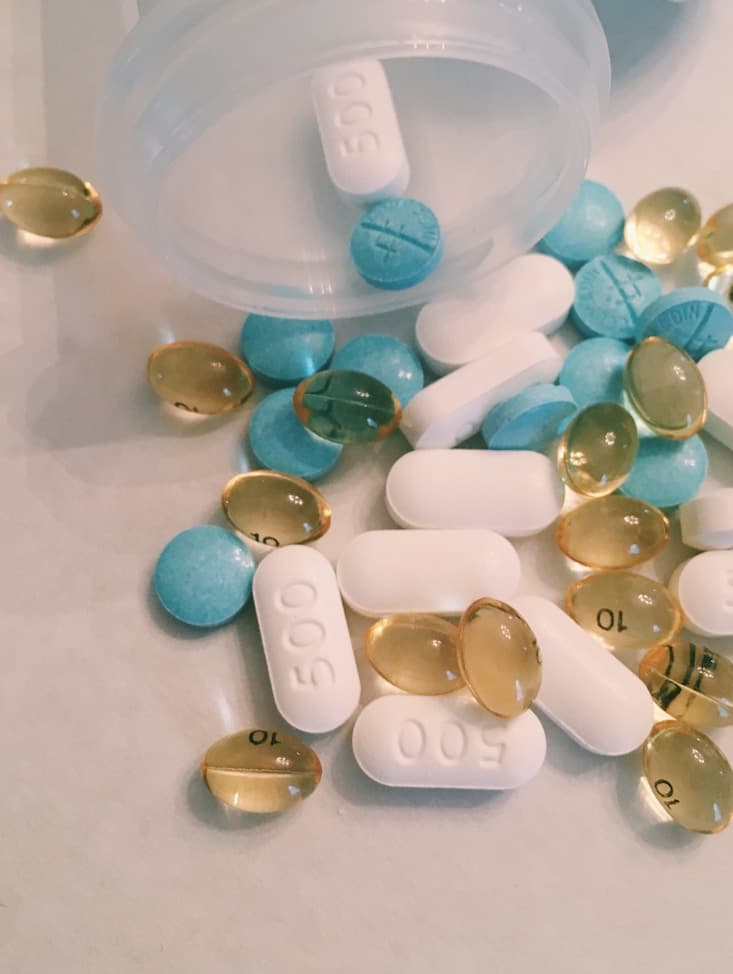
Tablets and capsules spilling from an open medicine bottle
Pakistan's pharmaceutical industry has had the best three years in its history, and the cause is not mysterious. The 2024 decision to deregulate prices of non-essential medicines let manufacturers absorb input costs, restored margin, and pulled investment back into a sector that had been quietly disinvesting. The Pakistan Pharmaceutical Manufacturers' Association reports exports rising roughly 34 percent — from around $336 million before deregulation to close to $450 million — and the sector crossing PKR 1 trillion in annual revenue for the first time.
Industry bodies have since raised their sights. Pharmaceutical exporters have publicly set a $2 billion annual target, and the FPCCI's United Business Group has argued the sector could reach $5 billion. Those are ambitions, not forecasts, and they should be read as such. But the direction is not in doubt.
- +34%
- export growth post-deregulation
- ~$450m
- annual exports
- PKR 1tn
- sector revenue, a first
The argument that has not gone away
In May the PPMA warned that reversing deregulation would risk shortages, restating a tension that will define the next policy cycle: price control is politically legible and supply security is not. Every previous freeze produced the same sequence — squeezed margins, discontinued low-value lines, and empty shelves for exactly the medicines the freeze was meant to protect. The industry's case is that affordability and availability are not the same objective, and that only one of them survives a price cap.
Why the next dollar is harder than the last
Growth so far has come substantially from markets where registration is achievable and competition is on price — parts of Africa, Central Asia, and Southeast Asia. The move from $450 million to $2 billion means selling into jurisdictions that do not buy molecules. They buy dossiers.
A regulated-market buyer's first question is never the price. It is which GMP standard the site is certified to, who issued the certificate, when it was last inspected, whether the product is registered in the destination market, and whether the batch can be traced backwards through its API supply chain. A firm that cannot answer those in a form the buyer's regulatory affairs team can file does not get a slow yes. It gets no reply.
In pharmaceuticals the export bottleneck is almost never the plant. It is the file the plant can produce about itself.
What that means practically
- Certifications must be verifiable at the issuer, not merely uploaded — GMP, ISO, and destination-market registrations with visible validity dates.
- Product records need regulatory-grade specificity: dosage form, strength, pack, therapeutic class, and where it is already registered.
- Corporate identity has to be unambiguous — one legal entity, one site list, one contact who can speak to compliance.
This is why Al-Ukaz reviews at the company level and requires documents to be checked rather than collected. In most sectors that discipline is a convenience. In pharmaceuticals it is the difference between being a candidate supplier and being a name in an inbox.
- Pharma
- Regulation
- Exports
Sources
- PPMA — Pakistan's pharmaceutical sector thrives after deregulation: a 34% export surge
- Business Recorder — Pharma sector seeks bigger share of dollar earnings, eyes $2bn annual exports
- ProPakistani — Drug deregulation reversal could trigger shortages, warns PPMA
Figures are as reported at the dates given and are provisional where the underlying series is. Where published estimates differ, the range is stated in the text.
Get new pieces as they publish
Reporting and analysis on Pakistan's export economy, emailed when we publish. No membership pitch, and you can leave whenever you want.
Prefer a reader? RSS feed
Be the supplier a buyer can actually find
Al-Ukaz is building Pakistan's verified record of who makes what — company by company, document by document. Registration for manufacturers is open now.
Join the founding cohort