Sector
Pharmaceuticals
A PKR 1 trillion industry with WHO-GMP capacity, exports up 34%, and generic manufacturing at a cost base most regulated markets cannot match.
- +34%
- export growth since deregulation
- PKR 1tn
- sector revenue, a first
- WHO-GMP
- the working standard for export plants
Why buyers source here
Cost base, at quality
Generic formulation at a manufacturing cost most regulated markets cannot match, from plants working to WHO-GMP and inspected against it.
A sector that is investing again
Deregulating non-essential prices in 2024 restored margin and pulled capital back in. Exports rose roughly 34%, and the industry crossed PKR 1 trillion in revenue for the first time.
Scale before export
A large domestic market means plants run at volume for home demand first. Export orders are incremental capacity, not the whole business case.
Breadth of therapeutic coverage
Anti-infectives, cardiovascular, diabetes and CNS lines, plus injectables, syrups and topicals — most categories a distributor needs are made here.
Pakistan's pharmaceutical industry has just had the best three years in its history, and for a buyer that timing matters: this is a sector with fresh capital in it, expanding capacity, and a strong incentive to win export accounts.
The cause was a policy change. Deregulating the prices of non-essential medicines in 2024 restored margin, let manufacturers absorb input costs, and pulled investment back into an industry that had been quietly disinvesting. The Pakistan Pharmaceutical Manufacturers' Association reports exports rising roughly 34% — from around $336 million before deregulation to close to $450 million — and the sector crossing PKR 1 trillion in annual revenue for the first time.
What you are buying
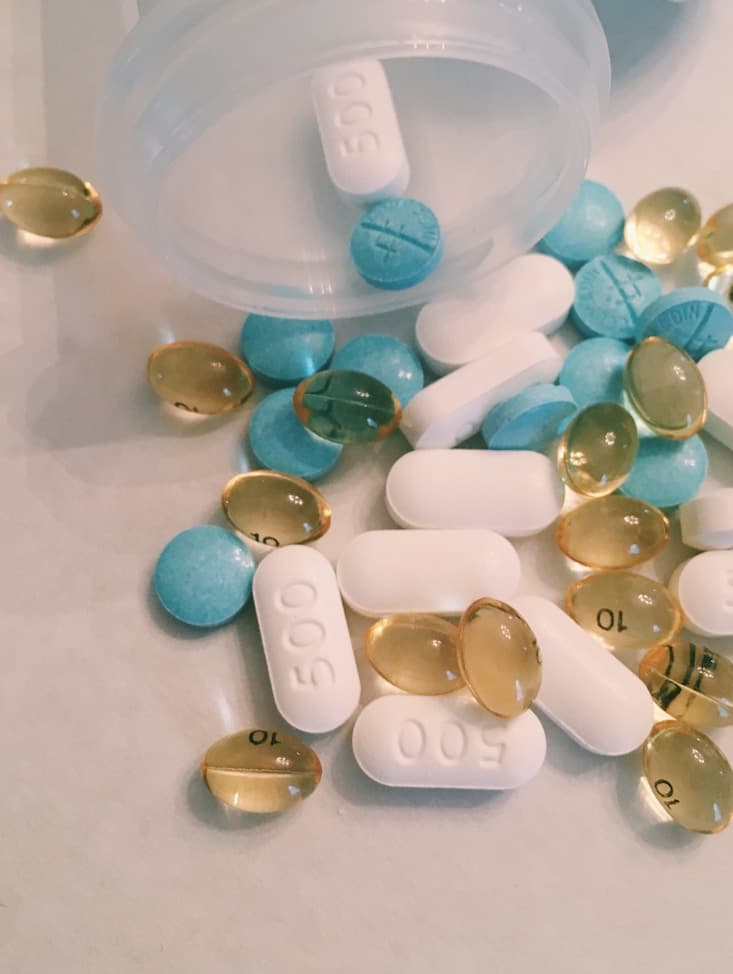
Predominantly generics, across most therapeutic classes: anti-infectives, cardiovascular, diabetes and CNS lines, in tablets, capsules, syrups, injectables and topicals. The manufacturing cost base is well below that of most regulated markets, and the plants serving export accounts work to WHO-GMP and are inspected against it.
A structural point that works in a buyer's favour: Pakistan has a large domestic market, so export-capable plants are already running at volume for home demand. Your order is incremental capacity in an operating plant rather than the business case for a new one — which usually means better lead times and more flexibility on quantity than a purely export-oriented supplier can offer.
- ~$450m
- annual exports and rising
- $2bn
- the industry's stated target
- 2024
- deregulation that restarted investment
How to qualify a supplier here
The same way you would anywhere, and Pakistani exporters are used to it. Ask which GMP standard the site holds and who issued it. Ask when it was last inspected. Ask whether the product is registered in your market, and if not, who will run the registration. Ask for batch traceability back through the API supply chain. Established exporters will have all of it ready; the answer arriving quickly is itself a useful signal.
In pharmaceuticals the dossier is the product. The good news is that the firms worth buying from already know that.
This is why Al-Ukaz reviews at the company level and checks documents against their issuer rather than merely collecting them. In a category where a buyer's first obligation is regulatory, being able to see verified company records before a single email is sent removes weeks from qualification.
What Pakistan makes
- Generic formulations
- Tablets, capsules, syrups, injectables and topicals across most therapeutic classes.
- Anti-infectives & chronic care
- Antibiotics, cardiovascular, diabetes and CNS lines — the bulk of the export book.
- Nutraceuticals & OTC
- Supplements and consumer health, a fast-growing adjacency.
- Medical devices & disposables
- Surgical disposables and basic devices, overlapping the Sialkot instrument cluster.
Where it is made
- Karachi
- The largest concentration of formulation plants, multinationals and contract manufacturers.
- Lahore
- A deep base of national manufacturers and the fastest-growing export names.
- Islamabad & Rawalpindi
- Newer plants, biotech entrants and proximity to the regulator.
Standards this sector works to
What to ask for when you qualify a supplier in this category, and what an established exporter will already hold. Al-Ukaz checks these against the issuing body rather than taking an upload on trust.
WHO-GMP
The working standard for export-facing plants. Ask which authority issued it and when the site was last inspected.
DRAP registration
Domestic product registration, and the basis of most export dossiers.
Destination-market registration
The real gate in any regulated market. Established exporters will already hold it where they sell.
ISO 13485
Quality management for medical devices, where the maker also does devices.
API traceability
Batch traceability back through the active-ingredient supply chain.
Sourcing pharmaceuticals from Pakistan?
Tell us what you are looking for — category, volumes, the certifications you need — and we will point you at verified manufacturers who can serve it. Al-Ukaz operates under the endorsement of the Ministry of Commerce, Government of Pakistan.
Talk to us about sourcingManufacture in this sector?
Get on the record buyers are being pointed at. Registration for Pakistani manufacturers is open now.
Join the founding cohortSources
- PPMA — Pakistan's pharmaceutical sector thrives after deregulation: a 34% export surge
- Business Recorder — Pharma sector seeks bigger share of dollar earnings, eyes $2bn annual exports
- Pakistan Business Council — Unleashing the potential of pharmaceuticals in Pakistan
Figures are as reported at the dates given and are provisional where the underlying series is. Where published estimates differ, the range is stated in the text.